Mittwoch, 9. Februar 2011

Welcome to New Zealand - Auckland

Ein komisches Gefuehl, nach 7 Jahren wieder zurueck in Neuseeland zu sein. Vieles hat sich nicht veraendert. Es gibt immer noch 4 x mehr Schafe als Menschen hier, Rugby ist die Staatsreligion und die Leute sind vielleicht noch etwas freundlicher geworden, wenn das ueberhaupt noch moeglich ist. Die kleine Grossstadt Auckland mit einer Million Einwohnern (1/4 der Bevoelkerung Neuseelands) hat uns mit stuermischem Wetter empfangen. Nach einer kurzen aber intensiven Stadttour durch Auckland mit der obligatorischen Besichtigung des Skytowers (hoechstes Gebaeude der suedlichen Hemisphaere) mit seinen Glasboeden und einem kleinen Abstecher in einen Elektronikladen (haben endlich wieder eine Zoomlinse fuer wenig Geld bekommen) hatten wir dann Grosses vor: Wir machten uns auf die Suche nach einem Campervan fuer den naechsten Monat, mit dem wir um die Inseln touren konnten. Wir sind dann auch auf Anhieb fuendig geworden. Unser neues rollendes Zuhause sollte ein Mazda Bongo sein - der kleinste Minivan aller Zeiten, jedoch mit soviel Platz, dass drei Leute drin schlafen koennen. Wir sollten naemlich fuer 6 Tage zu dritt unterwegs sein. Meine Freundin Deborah, nach einer Suedostasientour in NZ gelandet, wird uns fuer kurze Zeit auf der Nordinsel begleiten. Schon am naechsten Tag konnten wir unseren Bongo abholen. Und dann hiess es erst mal den Kopf umprogrammieren und alle Fahrintuition ueber Bord werfen. Das Credo lautet: KEEP LEFT! Linksverkehr kann ganz schoen aufregend sein..:-). Hit the road, Bongo!


A strange feeling being back in New Zealand after 7 years. There hasn't been much change. There's still 4 times more sheep than people, rugby is the state religion and eventually the people got even a bit more friendly, if that's possible at all. The little big city of Auckland with one million inhabitants (that's a quarter of all the people living in NZ) welcomed us with garstly weather. After a short but intense city tour with the mandatory visit to the skytower (the tallest building in the southern hemisphere) with it's glass floors and a short stop at a shop (we finally found a zoom lense that's affordable) we we're on a big mission: We started looking for a campervan for the next month to tour the islands. We we're lucky. Our new mobile home should be a Mazda Bongo - the smallest minivan of all times but spacy enough to sleep three people. There would be three of us for the next 6 days. My friend Deborah who got to NZ after a tour through Southeast Asia would be with us for a short time on the North Island. The next day we could get our Bongo. Then all there was to do was reprogram the brain and forget all our driving intuition. The thing was to: KEEP LEFT! Driving on the left can be very adventurous..:-). Hit the road, Bongo!


Samstag, 22. Januar 2011

Tahiti & Mo'orea (aka Paradise)

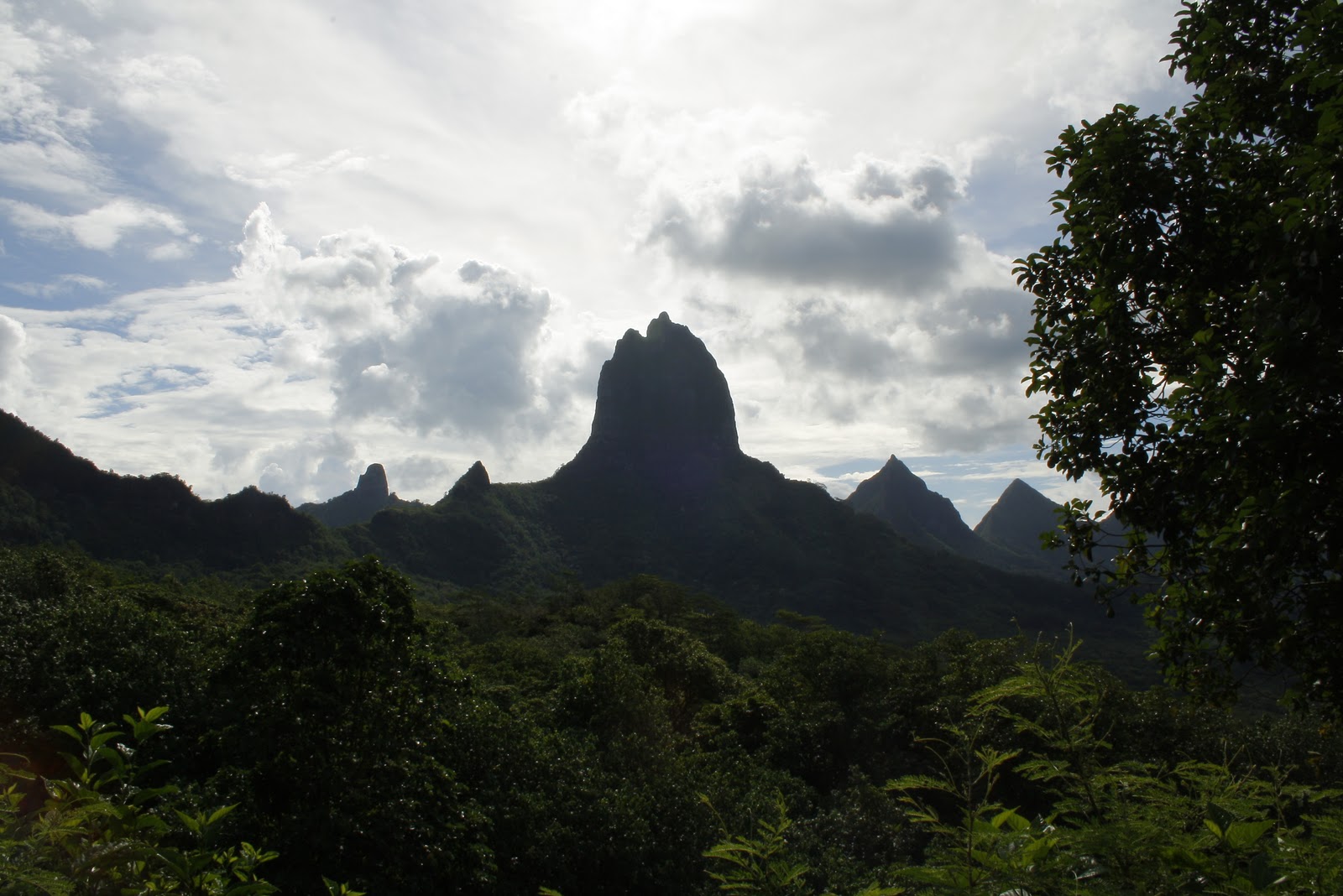
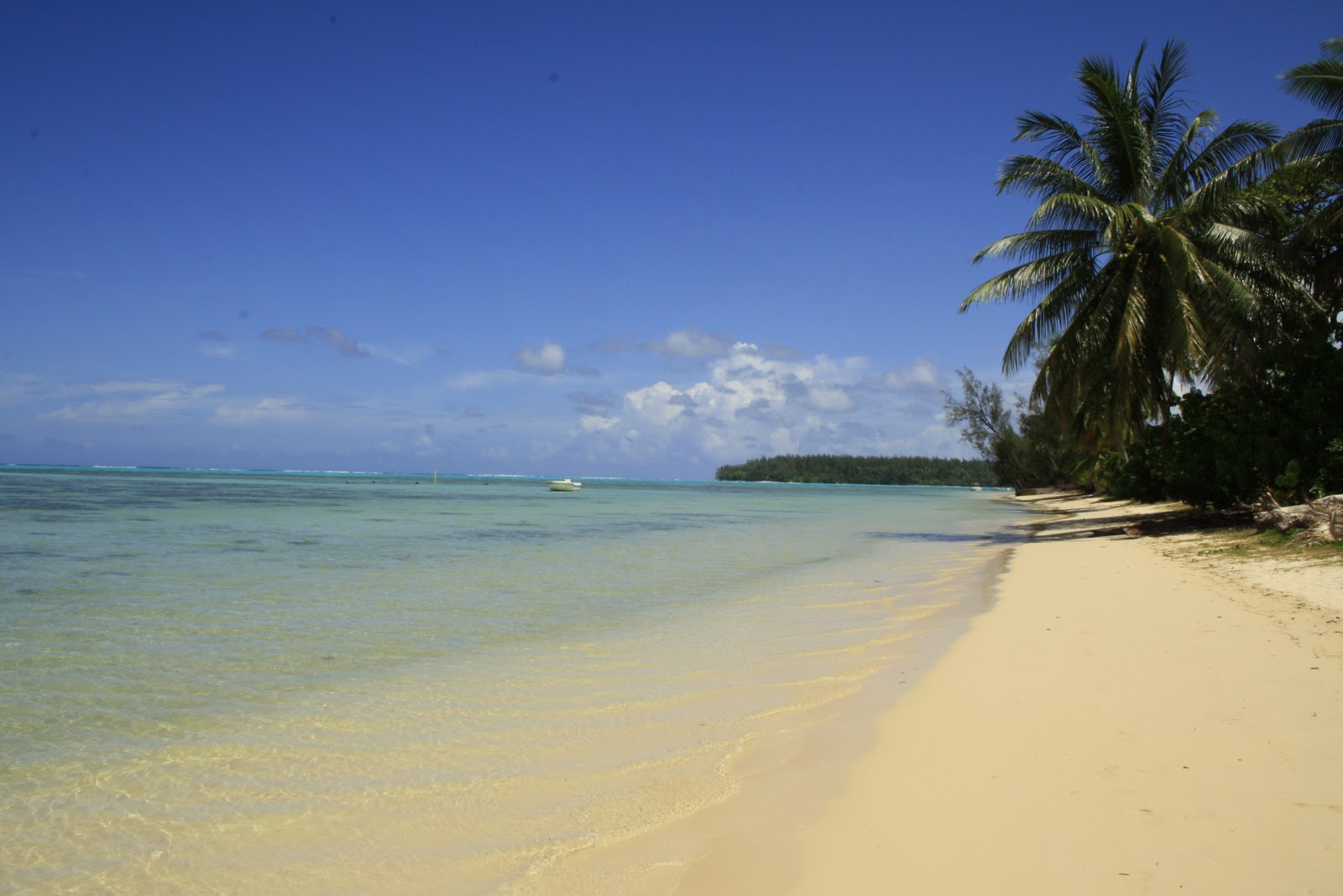
Liebe Leser, bitte verzeiht diesen Post, er wird euch ziemlich sicher etwas traurig und bestimmt neidisch stimmen, denn hier kommt der Bericht aus dem ultimativen Inselparadies! Alle Bilder, die wir fuer euch ausgesucht haben, sind weder bearbeitet noch aus einer Hochglanzbroschuere geklaut, sie stammen alle aus unserer Schmiede. Wir verbrachten 10 Tage im wunderschoenen Franzoesisch Polynesien, hauptsaechlich auf Moorea, der Schwesterinsel von Tahiti. Postkartenzitat von Schnege: "Das Leben hier ist ein suesses, und man gewoehnt sich schnell ans Paradies". Das dolce farniente, die freundlichen Insulaner und das unglaubliche Panorama machten unseren Aufenthalt zu den perfekten Ferien von den Ferien. Seufz...


Dear readers, please forgive us for this post, it will possibly make you feel a little sad and surely make you feel jealous. Here is the note of the ultimate island paradise. This is really it! All the pictures we chose are neither photoshoped nor from a taken from a glossy holiday catalogue. They're all out of our dearly beloved Canon. We spent 10 days in wonderful French Polynesia, mostly on Moorea, the island next to Tahiti. Here a citation of Boris' postcard writing: "The life here is a sweet one and you get used to paradise very quickly". The sweet farniente, the friendly people and the stunnig views made our stay the perfect vacation of vacation. Sigh...


Bonne nuit a six heures :-)

Lima

Die Hauptstadt Perus ist ein riesen Moloch. Ueber acht Millionen Menschen leben in der Megacity. Wir haben uns in Miraflores niedergelassen. Ein Stadtteil direkt am Meer mit vielen Kaffees, Laeden, Restaurants und Bars. Es scheint, als leben die Leute von Lima in einer anderen Welt als die Peruaner im Rest des Landes. Alles ist etwas moderner hier und weniger traditionell wie es z.B. in Cusco war. Haben ein paar Tage verbracht einfach nur mit Kaffeetrinken und Lesen verbracht. Im "Larcomar" Shoppingcenter, welches direkt an die Klippen gebaut wurde, liess sich ebenfalls die Zeit gut vertreiben.
Das Zentrum Limas ist geschaeftiger. Rund um die Plaza de Armas sind die Regierungsgebaeude, Geschaefter und verstopfte Strassen.


The capital of Peru is a monster city of 8 million inhabitants. We settled in Miraflores, a part of the city directly next to the coastline with loads of cafes, bars and restaurants. It seems that the people of Lima live a completely different life than the ones in the rest of Peru where daily live is much more traditional. Everything is more modern in Lima, good bookstores for example were hard to find in Cusco. We spent a few days drinking coffee and reading. At "Larcomar", a huge shopping centre built on the cliffs next to the sea, time also passed by quickly.
The centre of Lima is much more busy and round plaza de Armas all the govermental buildings are located. Everything is sourrunded by broad streets which chronically suffer traffic jams.


Mittwoch, 5. Januar 2011

Arequipa

Wir hatten eine etwas turbulente Busfahrt hinter uns als wir in Arequipa ankamen. Jemand hat einen Stein in die Scheibe der Sitzreihe hinter uns geworfen und alle Scherben flogen ueber unsere beiden Haeupter. Zum Glueck wurde niemand verletzt, aber es war schweinekalt waehrend der Nacht.
Arequipa ist eine mittelgrossed Stadt, deren Kern immer noch im Kolonialstil erhalten ist. Die Haeuser sind mehrheitlich aus weissem Vulkanstein errichtet worden. Es gibt viele Kaffees, Restaurants und Laedeli.
Nur gerade 40 Jahre, nachdem die Spanier die Stadt eroberten, wurde hier ein Kloster gebaut, welches erst in den 1970ger Jahren der Oeffentlichkeit zugaenglich gemacht wurde. Der Riesenbau ist eine Stadt in der Stadt mit eigenen Anbauflaechen, Gaerten, Wohnraeumen und medizinischer Versorgung. Die Nonnen lebten und beteten hier seit Jahrhunderten und tun es immer noch im neuen Teil des Klosters. Die froehlichen Farben, die vielen Blumen und Pflanzen sowie das dezente Vogelgezwitscher machten unseren Besuch zum Highlight in Arequipa.


We had a rather turbulent busride from Cusco to Areuipa were someone threw a stone into the window in the row behind us. All the glass pieces scattered upon our heads. Luckily, no-one got injured but we were feezing our a** off during the night.

Arequipa is a nice little town of which the colonial style of buildings is still preserved in the centre round Plaza de Armas. There a lots of little cafe's, bars and restaurants. We even found Turkish food here.Just about 40 years after the spaniards took over the city, they've built a monastry which was just opened in the 1970ies to public. It is basically a city in the city with it's own gardens, crop field, housing and medical centre. The nuns were living and praying in this institution and hardly anyone left the monastry before death. In the new part, there are still nuns living. The lively colors, many flowers and plants as well as the subtile whizzling of the birds made our visit there a highlight in Arequipa.